Signs It’s Time for a Roof Replacement
Your roof is one of the hardest-working parts of your home. It takes the sun, wind, rain, hail, and seasonal temperature swings, all while keeping your interior dry and comfortable. Over time, even a well-installed roof can wear out. The key is spotting the warning signs early so you can avoid interior leaks, mold, and bigger structural repairs.
If you are unsure where your roof falls on the “repair vs replace” spectrum, the simplest first step is to schedule a professional roof inspection and get a clear picture of the roof’s condition before problems spread.
Quick Checklist: Do Any of These Apply?
- Your roof is 20+ years old (or you do not know the age)
- Shingles are missing, curling, cracking, or bald
- You see water stains on ceilings or walls
- The roofline looks uneven or sagging
- Energy bills are climbing without another clear cause
- Moss or dark streaks keep returning
- Granules are collecting in your gutters
The Most Common Roof Replacement Warning Signs
1) The roof is near the end of its lifespan
Age matters because roofing materials become more brittle over time, especially in climates with heat, humidity, and storm seasons. Many asphalt shingle roofs are designed to last around 20 to 25 years, depending on ventilation, exposure, installation quality, and maintenance. If you are approaching that window, it is smart to start planning, even if everything looks fine from the ground.
2) Shingles are damaged, missing, or visibly worn
Shingles are your roof’s outer armor. When they start to curl, crack, slide out of place, or go missing, water can sneak underneath and travel to areas you cannot see. That is when a small spot becomes a much larger repair.
If the damage happened after a hailstorm or a windy night, you may be dealing with storm-related issues that should be documented quickly. A lot of homeowners start by learning what to look for in storm damage roof repairs, then decide whether repair is enough or replacement makes more sense.
3) Leaks or interior water stains show up
Water stains on ceilings or walls are often the first sign homeowners notice, and they should never be ignored. Even a small leak can soak insulation, create hidden mold risk, and weaken wood over time. If you are seeing discoloration inside the home, it helps to understand why it is a bigger issue than it looks. This breakdown on the risks of water stains on ceilings explains what can happen when moisture continues to travel through the structure.
4) The roofline is sagging or looks uneven
A sagging or drooping roof is a major red flag. It can point to moisture damage in the decking, weakened rafters, or other structural issues underneath the shingles. This is one of the few signs that should move to the top of your priority list, since it can become a safety issue if left alone.
5) Energy bills keep rising
If your heating and cooling bills are creeping up, your roof and attic performance may be part of the problem. Poor ventilation or deteriorated roofing can contribute to attic heat buildup in summer and heat loss in winter, forcing your HVAC to work harder than it should. The U.S. Department of Energy has a solid overview of how insulation impacts comfort and efficiency here: Home insulation basics.
6) Moss, algae, or mold is growing on the roof
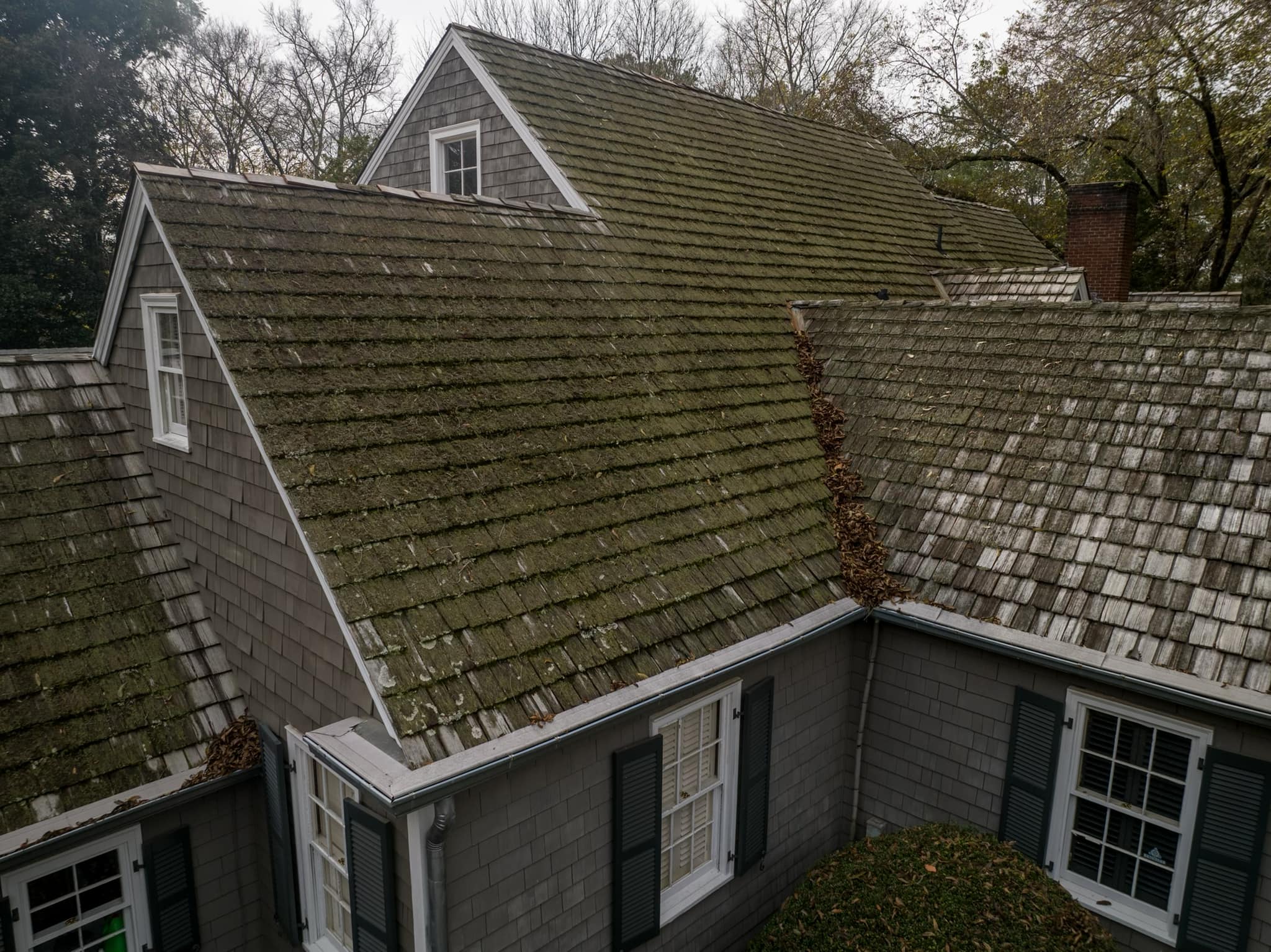
Moss and algae thrive in damp, shaded areas and can speed up shingle wear if moisture stays trapped. Not every dark streak means you need a new roof, but widespread growth can be a sign your roof is retaining moisture or nearing the end of its life. For general roofing care guidance, the National Roofing Contractors Association is a helpful resource: roofing and maintenance information.
7) Granules are building up in your gutters
If you clean your gutters and keep seeing sand-like granules coming back, your shingles may be wearing out. Granules protect shingles from UV exposure and help them shed water properly. When that layer breaks down, shingles become more vulnerable to wind, sun, and rain, and the roof starts aging faster.
Signs at a Glance
| What you notice | What it can mean | Best next step |
|---|---|---|
| Roof is 20+ years old | Materials may be brittle or near end of service life | Plan an inspection and budget options |
| Missing or curling shingles | Higher leak risk, wind vulnerability | Assess for repair vs replacement |
| Ceiling stains or leaks | Moisture intrusion, insulation damage | Identify source quickly |
| Sagging roofline | Potential structural issue | Urgent professional evaluation |
| Higher energy bills | Attic performance or ventilation problems | Check ventilation and insulation |
| Moss or heavy streaking | Persistent dampness, faster shingle wear | Inspect for moisture retention and wear |
| Granules in gutters | Shingles losing protective layer | Evaluate remaining roof life |
What to Do Next
If you are checking multiple boxes above, the best move is to get an expert opinion and a plan, not guesswork. A professional inspection will confirm whether repairs are enough or if replacement is the safer long-term option, and it will help you avoid the cycle of repeated patch jobs after every storm.
If you want to understand the budget side before you commit, this guide on roof replacement cost can help you set expectations and compare options more confidently.